
Material handling safety isn’t just a compliance checkbox — it’s a core factor in protecting people, reducing downtime, and improving efficiency across any industrial workplace. Whether you run a concrete plant, processing facility, warehouse, or manufacturing line, how you move, store, and manage materials directly affects the well‑being of your team and the performance of your equipment. In this post, we’ll explore key safety challenges and practical ways to improve material handling safety using smarter equipment, better layouts, and proactive maintenance.
Why It Matters
In an industrial workplace, material handling tasks — such as moving aggregate, feeding conveyors, or loading trucks — are some of the most frequent daily activities. When these processes are inefficient, improperly designed, or manually intensive, the risk of strain injuries, slips, and equipment‑related incidents goes up. According to the National Safety Council, overexertion and bodily reaction injuries are among the most common workplace injuries, often tied to lifting and handling materials. Prioritizing material handling safety helps protect employees and reduces lost productivity.
Common Hazards
Before diving into solutions, it’s important to recognize the everyday hazards in an industrial workplace that can compromise material handling safety. Manual lifting and repetitive strain from moving heavy parts remain one of the most common causes of worker injuries. Unstable or overloaded conveyors can lead to jams or belt failures, while poor belt tracking or worn rollers create dangerous pinch points. Slips and falls are another concern, often caused by spilled materials or obstructed walkways that aren’t properly managed.
In addition to physical risks, inadequate guarding around moving parts and improperly maintained feeders or hoppers can result in severe injuries or unexpected downtime. Left unaddressed, these issues contribute to reduced efficiency, costly repairs, and increased safety incidents. That’s why investing in reliable equipment, proactive upkeep, and intentional design is essential for a safer, more productive work environment.
Practical Tips to Boost Material Handling Safety
Improving safety in your workplace doesn’t require a complete overhaul overnight. Small, intentional steps make a big difference:
1. Design for Ergonomics
Evaluate how materials move through your facility. Adjust conveyor heights and feeder locations so workers don’t have to bend, twist, or lift in unsafe ways. Ergonomic design can dramatically reduce strain injuries.
2. Maintain Your Systems

Regular inspection of belts, rollers, idlers, and pulleys will keep systems running smoothly and help prevent unexpected stops. Outlook carries comprehensive conveyor belt parts and assemblies, so you can replace worn components before they become safety issues.
3. Use Guards and Safety Features
Ensure moving parts are properly guarded. Belt feeders and industrial conveyors can pose pinch points — guarding and covers keep hands and loose clothing away from danger.
4. Clean Up Spills Promptly
Material spillage can cause slips and falls. Keep pathways clear, clean up spilled material quickly, and consider using belt scrapers and cleaners to reduce carryback.
5. Train and Communicate
Even the best equipment needs trained operators. Provide regular training on proper material handling techniques, hazard recognition, and emergency procedures.
How Outlook Supports Safer Material Handling
Outlook’s offerings tie directly into improved material handling safety in the industrial workplace:
- Conveyor Systems & Parts: A complete selection of belts, idlers, pulleys, and return rollers reduces unscheduled stops and minimizes manual intervention.
- Feeders, Hoppers, and Auger Systems: Designed to control material flow and reduce manual handling in high‑volume environments.
- Fabrication & Custom Solutions: If your layout or workflow is unique, Outlook’s fabrication services can create custom stands, guards, and supports that integrate safety into the system design.
- Wear Parts Inventory: High‑quality wear parts keep equipment operating as intended, reducing failure points that can compromise worker safety.
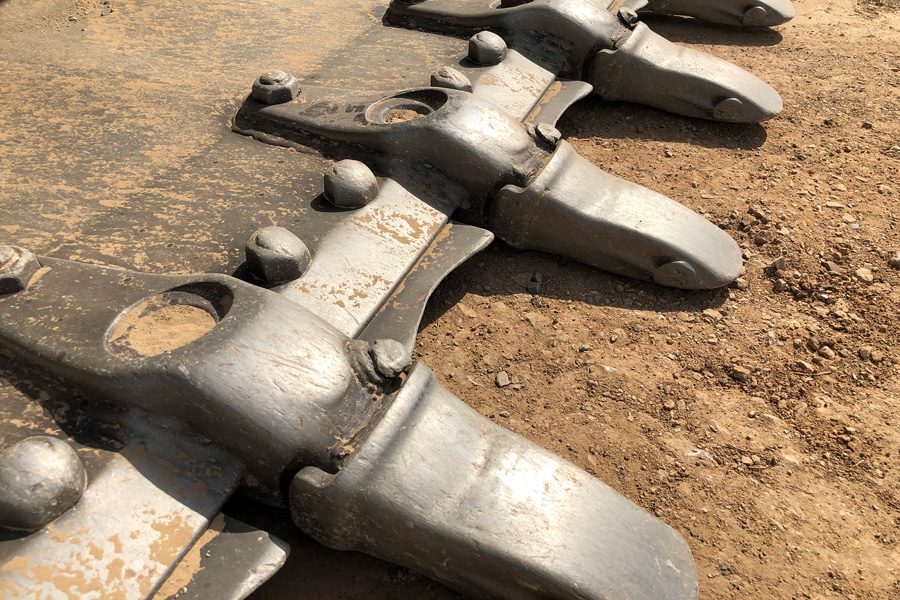
By using better equipment and maintaining it proactively, workplaces not only improve productivity — they make day‑to‑day tasks safer for the people who operate them.
Build a Culture of Safety and Efficiency
Strong material handling safety practices don’t just happen — they’re built through design, maintenance, training, and intentional choices. From selecting the right conveyors and feeders to keeping parts in top condition, Outlook Enterprises can help support your facility’s safety and performance goals. Whether you’re in Colorado, Wyoming, or beyond, prioritizing smart material handling today pays off in fewer injuries, lower costs, and a more effective industrial workplace.