
Running a rendering operation leaves little room for delays, wrong-fit parts, or stop-and-start maintenance. The right partner helps you keep systems moving, solve issues quickly, and plan improvements without disrupting production. At Outlook Enterprises, we position ourselves as a single point of contact for rendering plant equipment and service for the animal byproducts and protein recycling industry, supporting a range of process applications.
What “Complete” Support Should Look Like
A lot of suppliers can ship components. Fewer can help you think through the system and support work onsite. Outlook notes it can act as a single point of contact for rendering plants, ranging from equipment replacement and part replacement to full-system repair or installation. When you treat rendering plant equipment as a connected system instead of a list of parts, you reduce repeat issues and shorten downtime windows.
A complete approach usually includes:
- The right parts for your process conditions
- Installation or service support when the project is more than a quick swap
- A plan for reliability (not just “get it running today”)
Industries That Rely On Rendering Plant Equipment
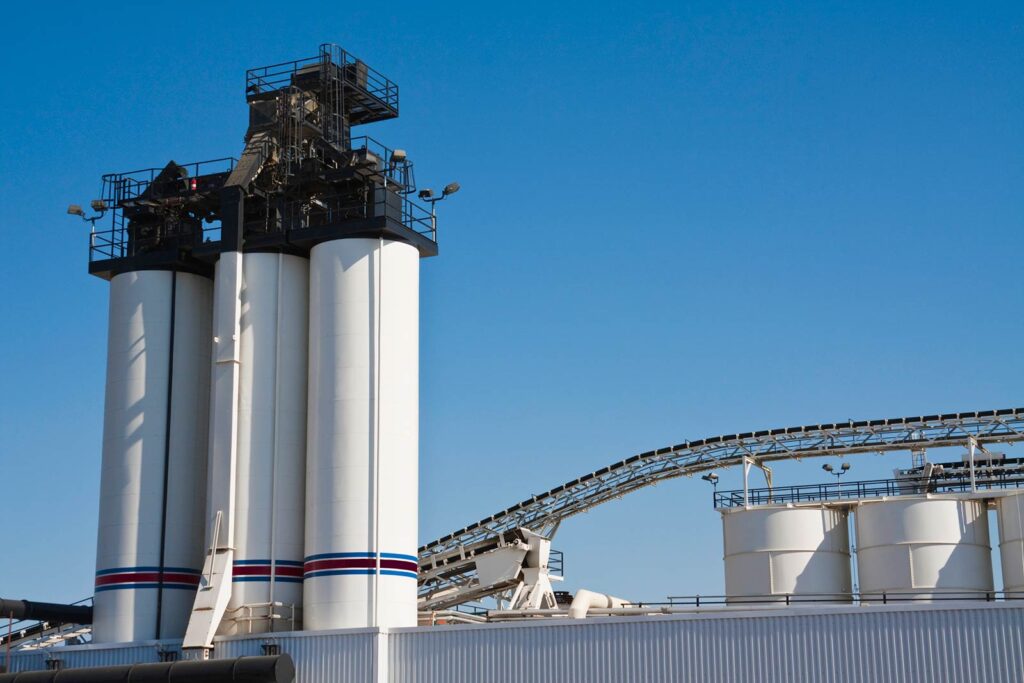
Rendering and protein recycling operations often share similar challenges (abrasion, heat, sanitation, continuous run time), but each plant’s inputs and outputs still matter. Outlook lists industries we service with rendering plant equipment, including animal byproducts recycling, oil seed processing, fish protein recycling, food waste depackaging, process drying, pulp & paper dewatering, and special process applications.
That variety is helpful because the best recommendations account for what you process, how you move it, and what you need at each stage of the system.
Stainless Steel Tanks As A Core Part of Reliability
Tanks are often the backbone of the process, and we emphasize high-quality stainless-steel tanks used for storing, mixing, cooking, fermenting, and dispensing products. In a rendering environment, the right tank configuration supports cleaner operation, better temperature control, and easier maintenance.
We highlight several tank types and use cases:
- Stainless steel storage tanks, including jacketed options for insulation and reduced heat transfer
- Mixing tanks designed to combine and distribute product evenly, and they can also serve as storage
- Fermentation tanks (pressure vessel needs) with fittings designed to help retrieve yeast when applicable
They also note both vertical and horizontal tank options, helping plants choose what best fits available space—an underrated factor in rendering plant equipment planning.
Sealing, Packing, and Leak Prevention
Leaks and premature wear can quietly create daily headaches: cleanup time, safety concerns, and lost production. We are aligned with Rains-Flo Sealing Systems and works with well-known rendering names to provide cooker/hydrolyzer sealing packing, positioning Rains-Flo as a long-lasting, self-lubricating option. For many plants, this part of the strategy is where reliability gains show up fastest.
The Supporting Cast
Plant performance depends on the components that keep product moving and equipment turning over consistently. At Outlook, we provide items like augers, troughing, liners, Baldor motors, and pumps across many brands—helping customers source multiple needs through one channel. This matters because rendering plant equipment purchases rarely happen in isolation; a tank upgrade may require pump changes, motor considerations, or conveying improvements.
Service Capability That Turns Parts Into Solutions
Even the best rendering plant equipment still needs correct installation and long-term support. Our rendering page describes services it has performed for plants, including installing and manufacturing stainless steel tanks, replacing complete auger systems, industrial painting, and installing new scrubber fans. The practical benefit is straightforward: you can plan upgrades and repairs with fewer handoffs and better coordination.
Built For Long-Term Relationships
The goal is dependable rendering plant equipment that fits your process, arrives when you need it, and is supported when conditions change. When your supplier understands the equipment and the environment it runs in, your plant gets more than parts—you get steadier uptime, fewer repeat failures, and a clearer path to improvements that last.