
When an asphalt plant is pushing volume, small efficiency losses add up fast. Asphalt tank cleaning is one of those maintenance items that can feel easy to postpone—until heating performance slips, warm-up takes longer, and the tank becomes harder to manage day to day. This service is designed to keep heating coils performing properly and that it must be scheduled in advance.
Why It Matters for Heating Coils and Consistency
Inside a heated asphalt tank, buildup can interfere with heat transfer and make it harder to maintain stable temperature. That stability matters because temperature affects how asphalt moves, pumps, and meters through the plant. Outlook specifically ties asphalt tank cleaning to protecting heating coils and keeping them performing properly.
At Outlook, we have an “Asphalt Tank Cleaning Crew” working through the winter across the country and emphasize coil protection and a scraped-clean result when the job is complete. While every plant’s conditions differ, the goal is the same: keep heat transfer reliable so operations stay predictable.
What Buildup Can Look Like in Day-to-Day Operations
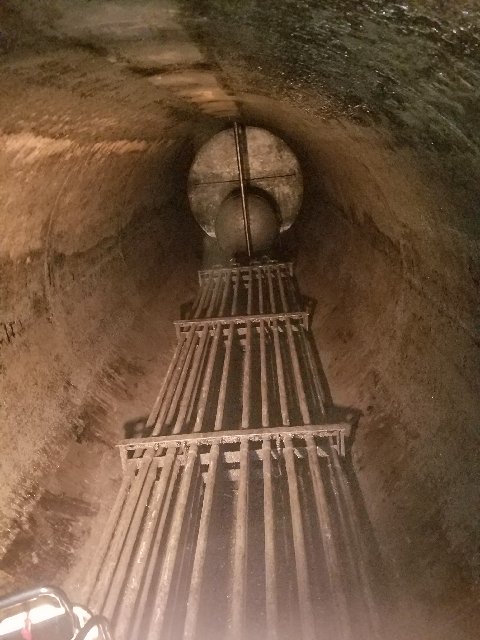
Buildup problems usually show up as gradual changes, not dramatic failures. If you’re wondering whether asphalt tank cleaning belongs on the calendar, pay attention to operational symptoms like:
- Longer warm-up times to reach target temperature
- More frequent burner/hot oil adjustments to “chase” temperature
- Inconsistent heating across the tank (hot/cold zones)
- Slower recovery after draws or production changes
None of these automatically mean a tank needs service tomorrow, but they are signs you may be losing heating efficiency—and that it’s time to plan rather than react.
How to Schedule Without Disrupting Production
The biggest reason plants delay this work is downtime. The good news is that asphalt tank cleaning can be planned around production if you treat it like a project instead of an emergency. We emphasize that this service must be scheduled in advance, so the best approach is to pick a window before you are forced into one.
A simple scheduling method:
- Identify your lowest-impact production period (often shoulder season or a planned maintenance stretch).
- Decide what “offline” means for your site—what must be shut down, isolated, or cooled safely.
- Bundle related tasks while access is open (valves, gauges, insulation checks, hot oil system inspection).
Prep Checklist to Make the Outage Shorter
A little prep can reduce surprises and keep the team moving once the window starts. Before your asphalt tank cleaning date, gather:
- Tank ID(s), location(s), and safe access points
- Heating method details (coil configuration, hot oil connections, etc.)
- Current issues you’ve noticed (warm-up times, uneven temps, operational notes)
- Site safety requirements (LOTO steps, permits, access hours)
- A restart plan (who verifies temperature stability and signs off)
This also helps your parts and service planning. At Outlook, our asphalt division supports a wide range of asphalt plant parts and supplies, and their team emphasizes helping customers get the right parts quickly to reduce downtime.
What a “Good Outcome” Looks Like After the Cleaning
The value is easiest to see after restart. Plants often look for more stable temperature behavior and better responsiveness from the heating system. Because we frame this service around coil protection and clean tanks, your post-service focus should be on performance indicators that matter to operators: steadier temps, fewer adjustments, and smoother handling.
It’s smart to monitor the first few shifts after the work by tracking time-to-temperature and recovery after draws, noting whether temperature swings settle down, and watching pumping and handling behavior if the tank feeds critical processes.
A Smoother Season Starts With a Cleaner Tank
The best time to plan asphalt tank cleaning is before the tank forces your hand. If heating coils aren’t performing the way they should, scheduling the work in advance can protect uptime and keep production more predictable. Our recommendation is straightforward: request service to keep coils performing properly, and plan early since scheduling is required.