
A successful conveyor installation is rarely “just a belt swap.” It’s a coordination effort between material handling, power, safety, and often adjacent systems like industrial pumps that keep production moving. We at Outlook Enterprises, support both conveyor system components and industrial pumps, so this checklist is built around the real questions that reduce downtime and prevent rework.
1) Conveyor: What’s the scope, and what does “done right” look like?
Before the shutdown, define the purpose of the conveyor installation in one sentence. Are you replacing a worn belt, correcting mistracking, increasing throughput, or improving a transfer point? Then decide how operations will judge success on restart. Common “wins” include steadier tracking under load, reduced spillage, fewer nuisance stoppages, and safer access for maintenance.
For planning clarity, write down:
- What is included (belt only vs. belt + pulleys + rollers)
- What is not included (electrical changes, chute modifications, guarding upgrades)
- The restart criteria (what must be true before production takes it back)
2) Conveyor: Do we have the full parts list, not just “the belt”?
Most delays happen when the crew is waiting on one bearing, bracket, or pulley. We specifically call out that conveyor work often involves more than belting, including idler and return rollers, head and tail pulleys, take-up bearings and pillow block bearings, plus motors, gearboxes, brackets, and accessories.
A practical staging approach is to build a “steps list” for the job and stage parts in install order (hardware labeled). That keeps the conveyor installation moving even when the outage window is tight.
3) Conveyor: Are measurements, interfaces, and access points verified onsite?
Treat measurements like they’re load-bearing, because they are. Verify center-to-center distances, elevations, and clearances for guarding and future adjustments. Confirm where power and controls enter, and where technicians will need access after restart for tracking tweaks or roller swaps. If you are tying into an existing line, confirm transfer points and chute geometry so the new setup does not inherit the old problems.
This is also where you confirm your downtime plan: what can be pre-built, what must happen during the outage, and what can wait until after the first run.
4) Pumps: Which industrial pumps are involved, and what are the operating requirements?
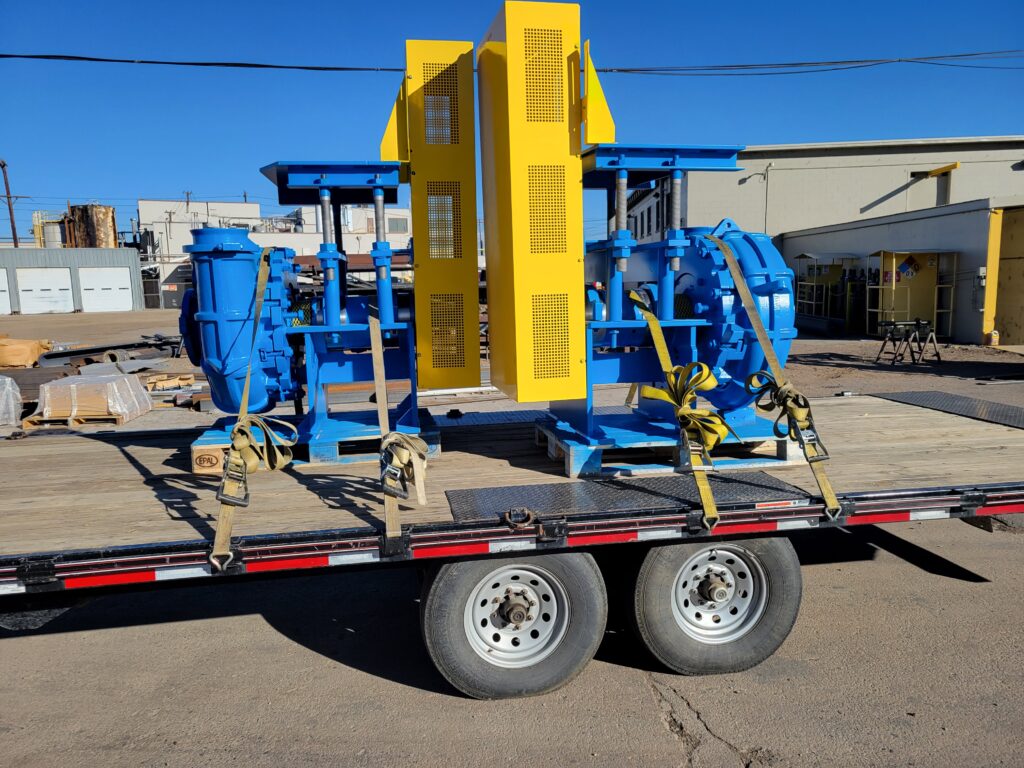
Now shift to the fluid side. Identify which industrial pumps are included, what they handle, and what performance is expected (flow, pressure, temperature, solids content). Outlook’s pumps page notes it supports replacement parts across many types and makes, which helps when you are matching existing equipment or keeping legacy systems running.
If the pump is being rebuilt or reconnected, confirm the model information early and verify any critical constraints (space, mounting, piping orientation).
5) Pumps: What are the connection, alignment, and sealing checkpoints?
For industrial pumps, installation success is often decided at the interface points: suction/discharge piping, flange sizes, and service access. Confirm that valves, piping, and supports allow a stress-free connection (no “forcing it to fit”). Plan base leveling and coupling alignment, then schedule a quick recheck after run-in.
Also decide how you will handle sealing and leak checks. Even a small seep can turn into a restart-killer if it’s missed during the handoff.
6) Pumps: How will you commission, test, and document the restart?
Commissioning is not a formality. Define priming/startup steps, verify expected readings (flow/pressure), and complete a leak and vibration check before walking away. Then document “as-left” settings and any parts used.
Because we also offer a certified and insured service team equipped for installations, repairs, and standard maintenance, it’s worth building a simple first-week follow-up plan so small issues don’t become unplanned downtime.
A Cleaner Restart Plan
If you answer these questions before the outage, your conveyor installation stays on schedule, and your industrial pumps restart with fewer surprises. The goal is a controlled handoff: clear scope, staged parts, verified interfaces, and a commissioning checklist that matches how your plant actually runs.