
Choosing an industrial equipment partner is not just about getting a part delivered. It is about finding a team that can help you source the right solution, support installation and service when needed, and keep your operation moving when timelines get tight. At Outlook Enterprises, we see ourselves as more than a distributor and position our role as a solutions partner serving multiple industrial markets.
1) Do They Understand Your Industry and Your Operating Reality?
A strong industrial equipment partner should be familiar with the environments your equipment lives in, from dust and abrasion to heat, moisture, and continuous run time. Outlook serves a wide range of industries including Asphalt, Aggregate, Mining, Rendering, Cement, Power, Water, and more, which matters when you need practical recommendations that fit your application.
When you evaluate any supplier, ask:
- What industries do you regularly support?
- Can you help with both routine replacements and upgrades?
- Do you understand the difference between a quick fix and a long-term fix?
2) Can They Supply Broadly, or Are They Limited to a Narrow Catalog?
A dependable industrial equipment partner should be able to cover more of your needs without forcing you to manage five vendors. Outlook supplies a wide range of industrial products, calling out examples like pumps, mixers, motors, bearings, conveyors, and more.
This breadth is not about buying everything from one place for convenience. It is about reducing downtime caused by mismatched components and split responsibility. When your parts sourcing is consolidated, it is easier to standardize what you stock and simplify maintenance planning.
3) What Does “Distribution” Mean to Them in Practice?
Some companies define success as fast shipping. A true industrial equipment partner should define success as helping you keep operations running smoothly. Outlook frames its “Future of Distribution” idea as more than speed, emphasizing relationships, service, and ensuring customers have what they need to keep operations running.
A practical way to test this is to ask how they handle:
- Wrong-part prevention (verification steps, cross-referencing)
- Urgent outages (availability and response options)
- Repeat issues (troubleshooting beyond “replace it again”)
4) Do They Have Real Service Capability, or Only a Contact List?
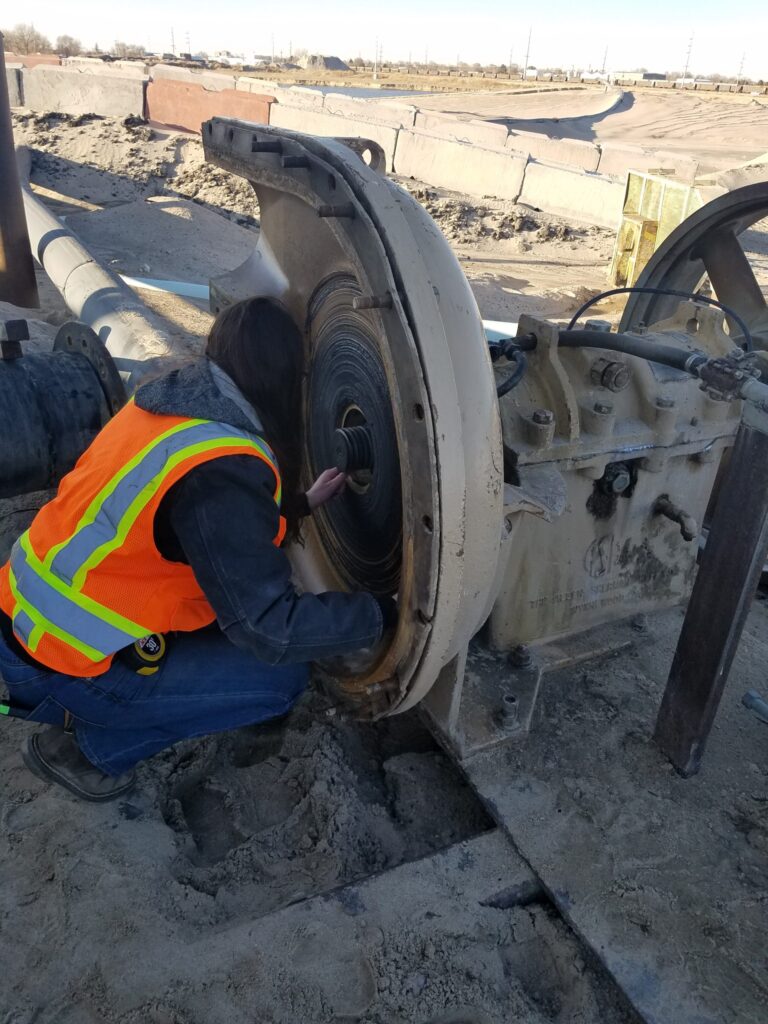
If you need more than a shipment, you want an industrial equipment partner that can support installation, repairs, and maintenance. Outlook offers installation and service and highlights certified service technicians who can assist onsite or in their shop.
This matters because service changes the outcome. The same part can perform very differently depending on how it is installed, aligned, protected, and maintained. Even if you have an internal maintenance team, it helps to have a partner who can step in when schedules are tight or specialized support is needed.
5) Can They Source Hard-to-Find Items, Across Brands, Without Delay?
Sometimes the issue is not what you need, but how quickly you can get it. A capable industrial equipment partner should have reach beyond one brand line. At Outlook, we have a network of trusted partners across the U.S. and Canada and can source virtually any brand or product on the market.
That kind of sourcing network helps when:
- You have legacy equipment with odd specs
- You need alternatives due to lead times
- You are trying to match an existing system without redesigning it
6) Are Pricing and Delivery Clear, Consistent, and Operationally Helpful?
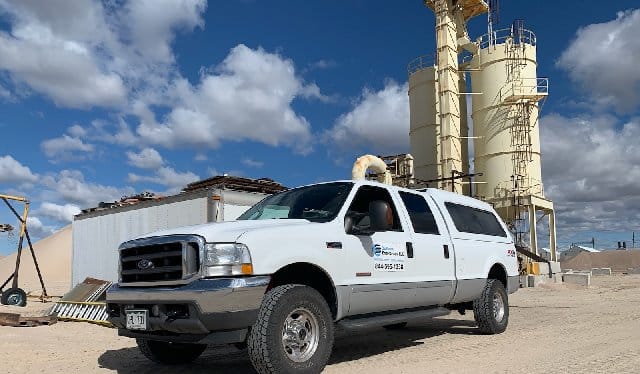
A reliable industrial equipment partner should make it easier to plan. Outlook prioritizes commitments such as fast, free delivery on our stock truck schedule and honest, competitive pricing from the first quote.
For buyers, the takeaway is simple: look for a partner that can support predictable ordering and scheduling, not just one-off transactions. Ask how delivery works, what “stock” means for common items, and how they handle quote changes when a project shifts.
A Quick Checklist You Can Use Internally
Before you commit, line up your top needs and score each industrial equipment partner against them: industry familiarity, product breadth, service support, sourcing reach, and reliability in quotes and delivery. If the answers are clear and consistent, you are not just buying parts. You are building a relationship that protects uptime.